
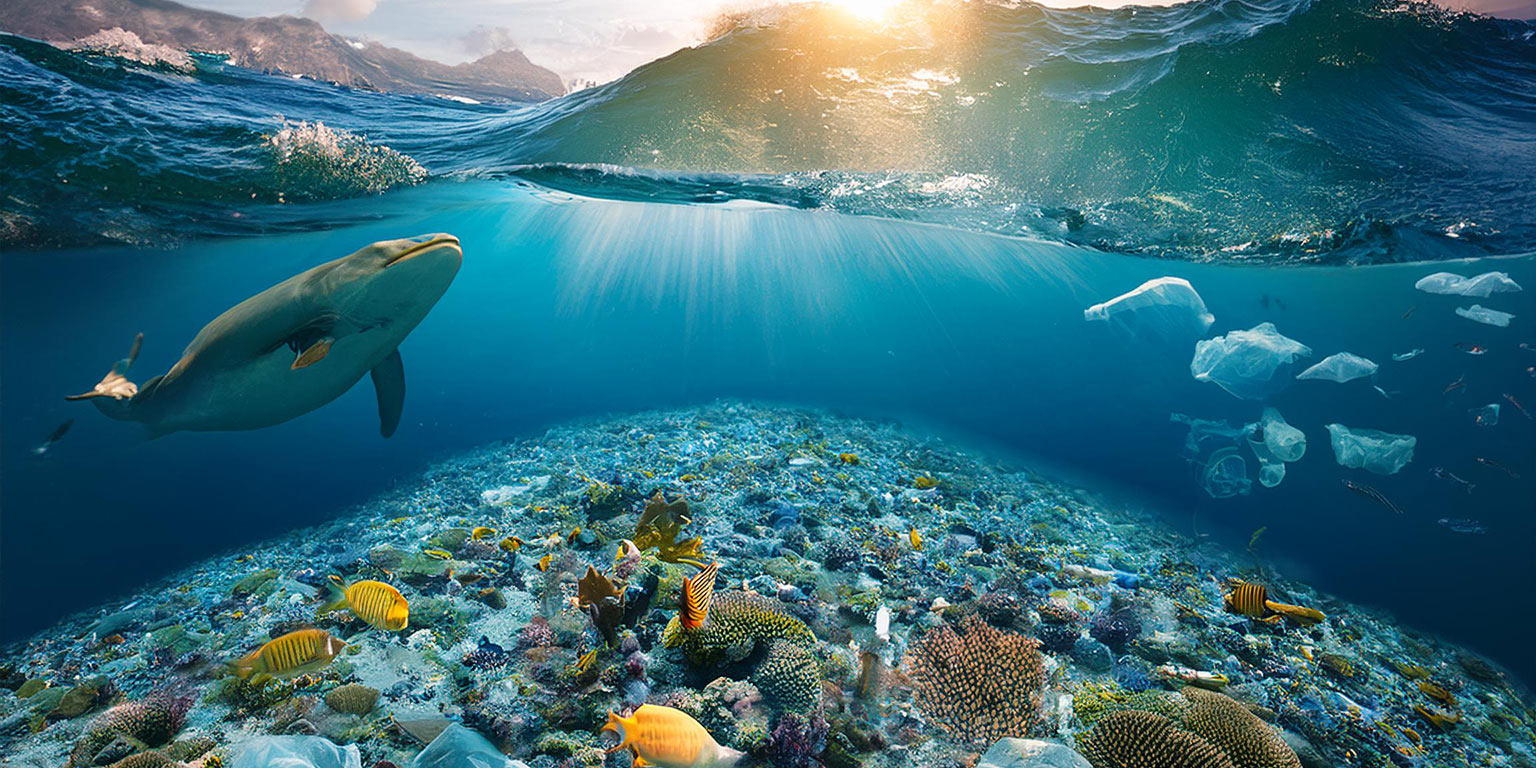
Overview of plastic pollution in oceans, its sources, and effects on marine organisms. Plastic pollution is one of the main environmental problems in the world’s oceans. Over 460 million tons of plastic are produced annually worldwide; a significant portion of these tons find their way into marine environments (IUCN, 2024). Once in the ocean, plastic can persist for hundreds of years, breaking down into smaller particles but never fully degrading. Thus, large pieces of plastic and microplastics stand as a serious threat to marine ecosystems and organisms (García Rellán et al., 2023).
Oceans and other water bodies are polluted by plastic material from various sources. These sources include the rivers through which the plastic wastes are transported from land into the marine environment, carrying it from cities, factories, and other sources on land. Poor waste management systems, typified by inefficient recycling, illegal dumping, and litter, are significant in determining how much plastic waste makes its way into the oceans. Other sources are urban runoff, stormwater systems, and wind-blown debris that transports plastics from land to sea (Evode et al., 2021). The fishing industry is considered the leading source of plastic pollution at sea, particularly due to abandoned and lost fishing gear. Nets, lines, and traps may drift around the ocean for years and continue catching and killing marine animals. Shipping is another source of plastic pollution, whether through accidental spills or deliberate illegal waste dumping (Evodeet al., 2021). Single-use plastics include plastic bags, bottles, straws, and packaging, all easily light and carried by wind or water into marine environments. Upon entering the ocean, these plastics start breaking into microplastics-small fragments less than five millimeters in size.
Plastic pollution impacts marine life on many levels of severity. Ideally, marine organisms will be affected by plastic pollution through ingestion, entanglement into marine debris, and physical disturbance of their habitat, with potentially disastrous results for their survival and overall ecosystem health. Different marine animals, such as fish, sea turtles, seabirds, and marine mammals, mistake plastic debris for food. For instance, sea turtles consume many plastic bags, confusing them with jellyfish (Evode et al., 2021). On consumption, plastic tends to block the digestive tract, leading to malnutrition, starvation, and death.
Activity: Analyzing beach sand samples for microplastics.
The materials required to conduct this activity include a square quadrat (measuring 0.25 m by
0.25 m), a gallon zipper bag, a small trowel, paper plates, a sieve, three large cups, water, and
tweezers.
- Place the quadrat randomly on the field site at the wrack line.
- Using the trowel, scrap the top cm of the sediment into the zipper bag.
- Pour the bag’s contents onto the paper plates, then spread it and leave it overnight to dry.
- Sift the dried contents through the sieve, capturing the fine sand for use in the field site.
- Observe the debris and the sediments left floating on the sieve for obvious shapes of the
plastic pieces, and collect them into a small container. - Pour all the remaining debris and sediments into a large cup. Fill the large cup to a three-
quarter using tap water, and still well. - If there are plant materials within the debris, the materials will float in the water. The
longer the plan material soaks in the water, the more likely it will sink. - Leave the cups with their contents to stand overnight, then stir and make observations the
following day. - Cover the cup to observe and analyze the microplastic plastics before discarding the
contents.
Future: Decline in marine species, ingestion by aquatic animals, disruption of food chains.
Marine ecosystems are at threat of plastic pollution in the ocean. The most devastating impact is the potential decline in marine life because of increasing exposure to plastic waste. Most species of aquatic animals- fish, sea turtles, seabirds, and marine mammals are reported to ingest plastic debris, thinking it is food. This consumption leads to health issues that span from digestive blockages to malnutrition and internal injuries. The more species this affects, the more populations will start to diminish, especially with those already vulnerable species. The ingestion of plastics by marine living organisms also has serious implications for the marine food chains. These tiny plastic particles, formed from the breakdown of larger debris, are consumed by small organisms like plankton. Microplastics thus enter the food web and accumulate in larger predators through biomagnification. Larger animals, such as fish and marine mammals, consume contaminated prey containing plastic particles, which means a higher concentration of plastics in their bodies, which can impair growth and reproduction and, in turn, lower survival rates. Furthermore, the consumption of plastic disrupts marine food chains through the deaths of primary consumers and the predators that use them for nutrition, with the potential to destabilize entire aquatic ecosystems.
Mitigation: Beach cleanups, reducing plastic use, recycling programs.
Mitigation efforts on beach pollution include cleanups, reducing the reliance on plastics, and encouraging recycling programs. Environmental organizations undertake beach cleanups in cooperation with the local community. Volunteers can engage in different activities, including collecting plastics from shorelines before they enter the ocean ecosystem. These activities add to protecting marine life and improving the aesthetic quality of beaches. Reduction of plastic use is another main mitigation strategy. Plastic wastes have been considered as one of the main contributors to beach pollution. Reducing the use of single-use
plastics, such as straws, bags, and bottles, is a major way to reduce the waste reaching the beaches. There is a need to, therefore, raise alternatives, such as reusable bags, metal straws, and biodegradable packaging, to reduce overall plastic use. Besides these, recycling programs also play an important role in mitigating beach pollution. Plastics and other materials, if recycled, reduce the waste materials that end up in landfills or further into the oceans. Municipalities and environmental agencies ought to encourage the separation and proper disposal of recyclable materials to ensure they are reutilized and not dumped without responsible care.
References
Evode, N., Qamar, S. A., Bilal, M., Barceló, D., & Iqbal, H. M. N. (2021). Plastic waste and its
management strategies for environmental sustainability. Case Studies in Chemical and
Environmental Engineering, 4(4), 100142.
García Rellán, A., Vázquez Ares, D., Vázquez Brea, C., Francisco López, A., & Bello Bugallo,
P. M. (2023). Sources, sinks and transformations of plastics in our oceans: Review,
management strategies and modelling. Science of the Total Environment, 854, 158745.
https://doi.org/10.1016/j.scitotenv.2022.158745
IUCN. (2024, May). Plastic Pollution. Iucn.org. https://iucn.org/resources/issues-brief/plastic-
pollution