
Marine Renewable Energy: Tidal and Wave Power
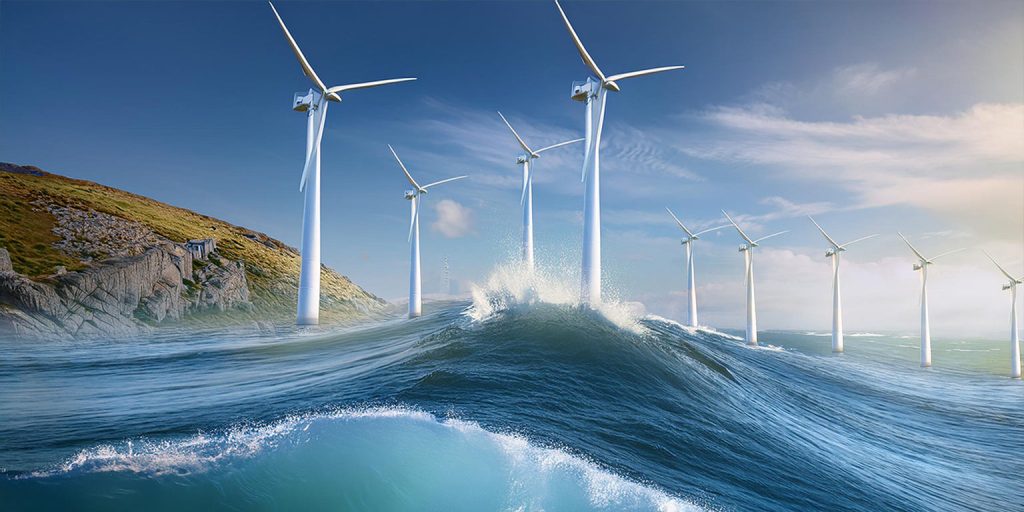
Potential of tidal and wave energy as sustainable energy sources. There is a huge potential in tidal and wave power, particularly in the provision of sustainable energy resources from marine renewable energy. More than 70 percent of Earth’s surface is covered by oceans, which carry massive amounts of kinetic energy generated through tides and waves […]
Marine Algae and Its Potential Uses
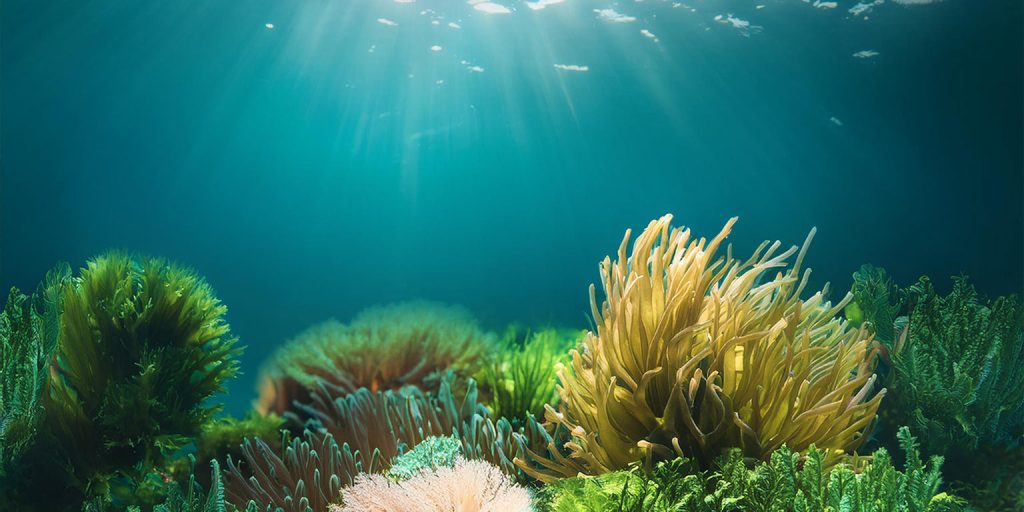
Types of marine algae, their ecological roles, and potential commercial uses. Marine algae are an integral plant species in the marine ecosystems. The algae are broadly classified into three categories; the green algae (Chlorophyta), the brown algae (Phaeophyceae), and the red algae (Rhodophyta) (Ahmed et al., 2024). Each of these classes is found in a […]
Case Study: The Food Web
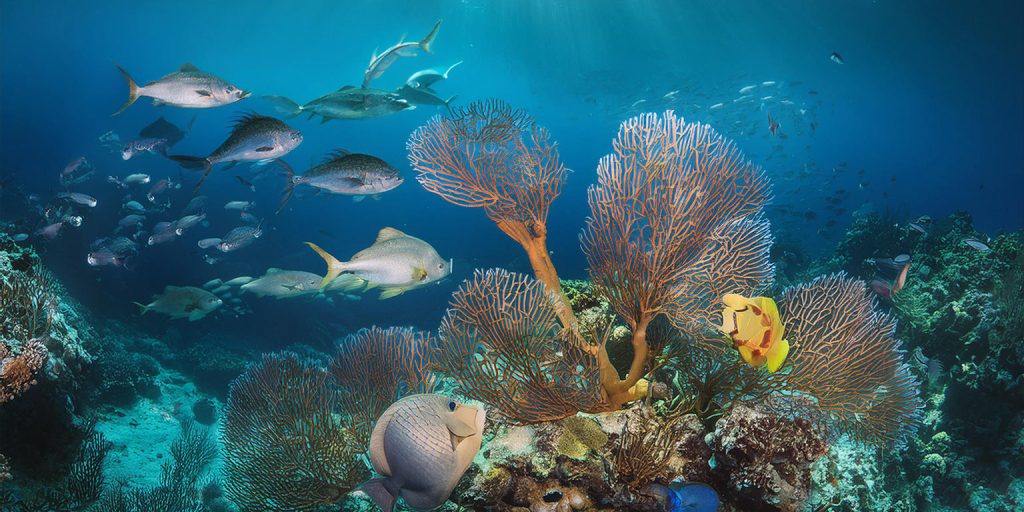
Marine ecosystems exist in different dynamics, with a wide range of different species interacting through complex food webs. A food web in marine ecosystems is an interconnected relation between different organisms, highlighting energy transfer from one level to another in the trophic. The food webs are relatively more complex, as compared to the food chains. […]
Impact of Plastic Pollution on Marine Life
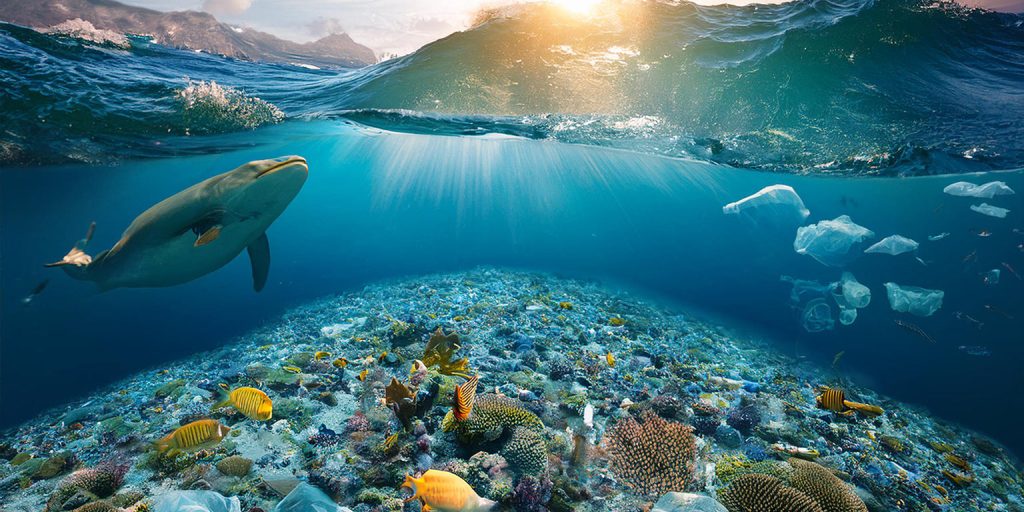
Overview of plastic pollution in oceans, its sources, and effects on marine organisms. Plastic pollution is one of the main environmental problems in the world’s oceans. Over 460 million tons of plastic are produced annually worldwide; a significant portion of these tons find their way into marine environments (IUCN, 2024). Once in the ocean, plastic […]
The Impact of Noise Pollution on Marine Life
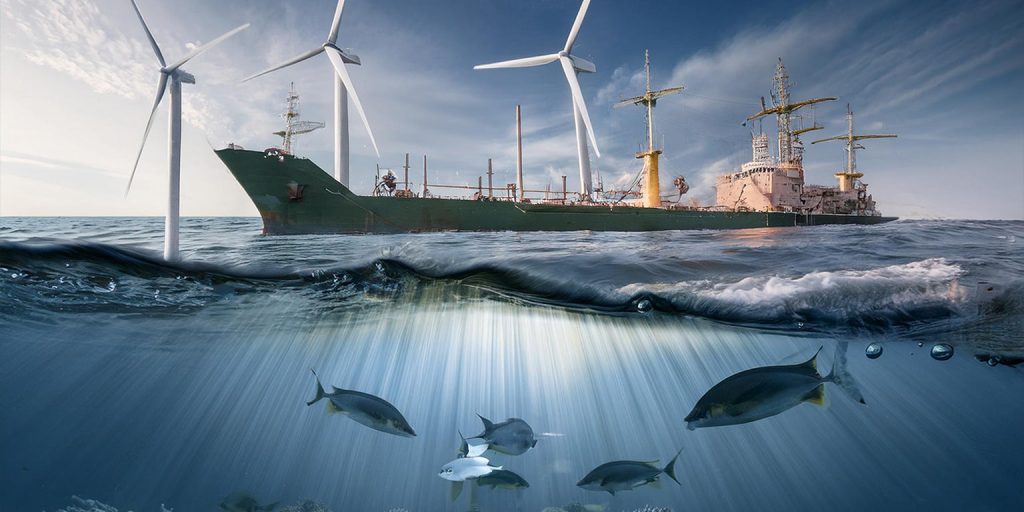
Background: Effects of underwater noise pollution on marine animalsNoise pollution in oceans and other water bodies is created by different human activities,including oil exploration, commercial shipping, offshore wind turbines, and seismic surveys.These activities create excessive and unnatural sound under the waters, which affects marine life.In particular, the created noise usually interferes with the hearing ability […]
Case Study: Heavy Metals Pollution in Water
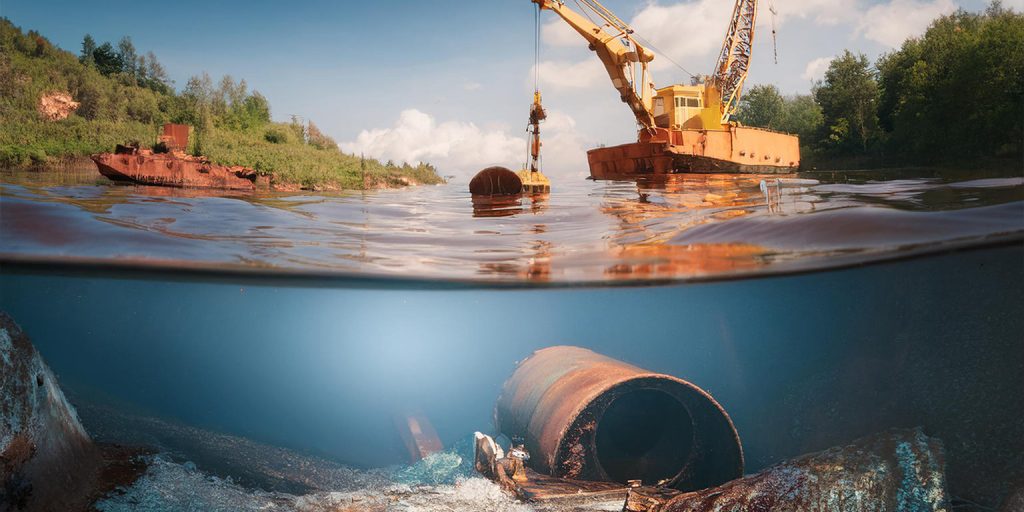
These heavy metals include lead (Pb), mercury (Hg), arsenic (As), cadmium (Cd), and chromium (Cr). Heavy metals are naturally occurring elements within the Earth’s crust. They enter water bodies through various human activities such as industrial discharges, mining operations, agricultural runoff, and inappropriate waste disposal (Balali-Mood et al., 2021). While a minimum amount of these […]
Is the ocean turning acidic?
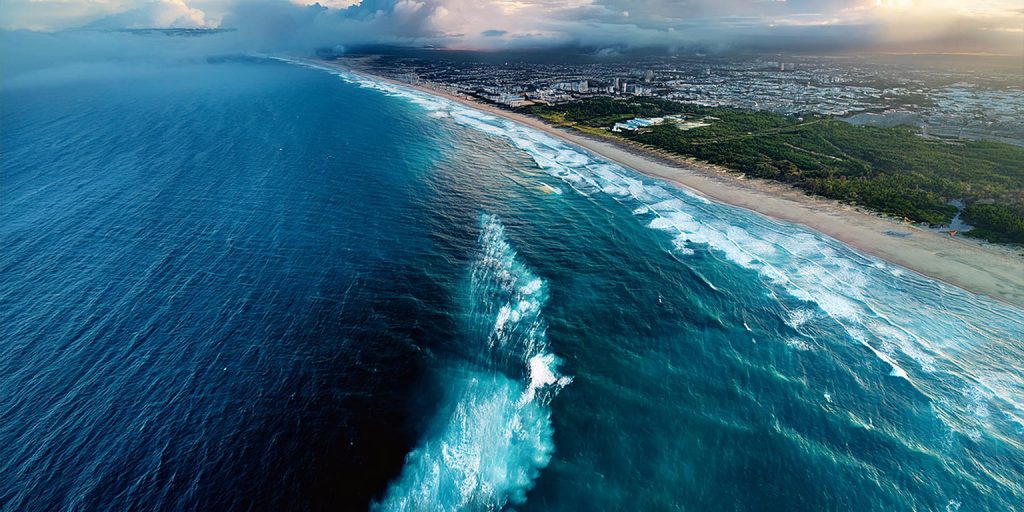
Ocean acidification is acid formation when the ocean absorbs high levels of carbon dioxide (CO₂) gases from the atmosphere. The ocean helps balance Earth’s climate by absorbing CO₂ produced due to human activities, emitting sudden increases in CO₂ emissions from the burning of fossil fuel, among other sources. This balance tends to be broken (National […]
Oil Spills
The release of petroleum products into the environment, such as marine ecosystems, has caused a huge environmental disaster. Accidents in oil drilling, leaking in pipelines, transport failure, and other practices such as bilge dumping are potential sources. Spilled oil creates a slick on the water surface and presents an immediate threat to marine living organisms […]
Case Study: Current Ongoing Research in Marine Life
Case Study: The Ocean Clean-Up The publication of Office of GY4ES.ORG (2023) presents a case of plastic-chokedbeaches in Versova, India. Versova is shown as one of the pristine beaches in the Suburbs ofIndia. This coastline beach has, over the years, been overwhelmed by high levels of plasticpollution. However, local communities have been engaged in handling […]
What even is Erosion?
Erosion is a geological process involving the earthing materials worn away before beingtransported through different forms of natural forces, including water and wind (NationalGeographic, 2022). Most Erosion processes occur through liquid water and ice in the form ofglaciers. When the wind is dusty, or the glacial ice or water is muddy, Erosion takes place.During erosion, […]