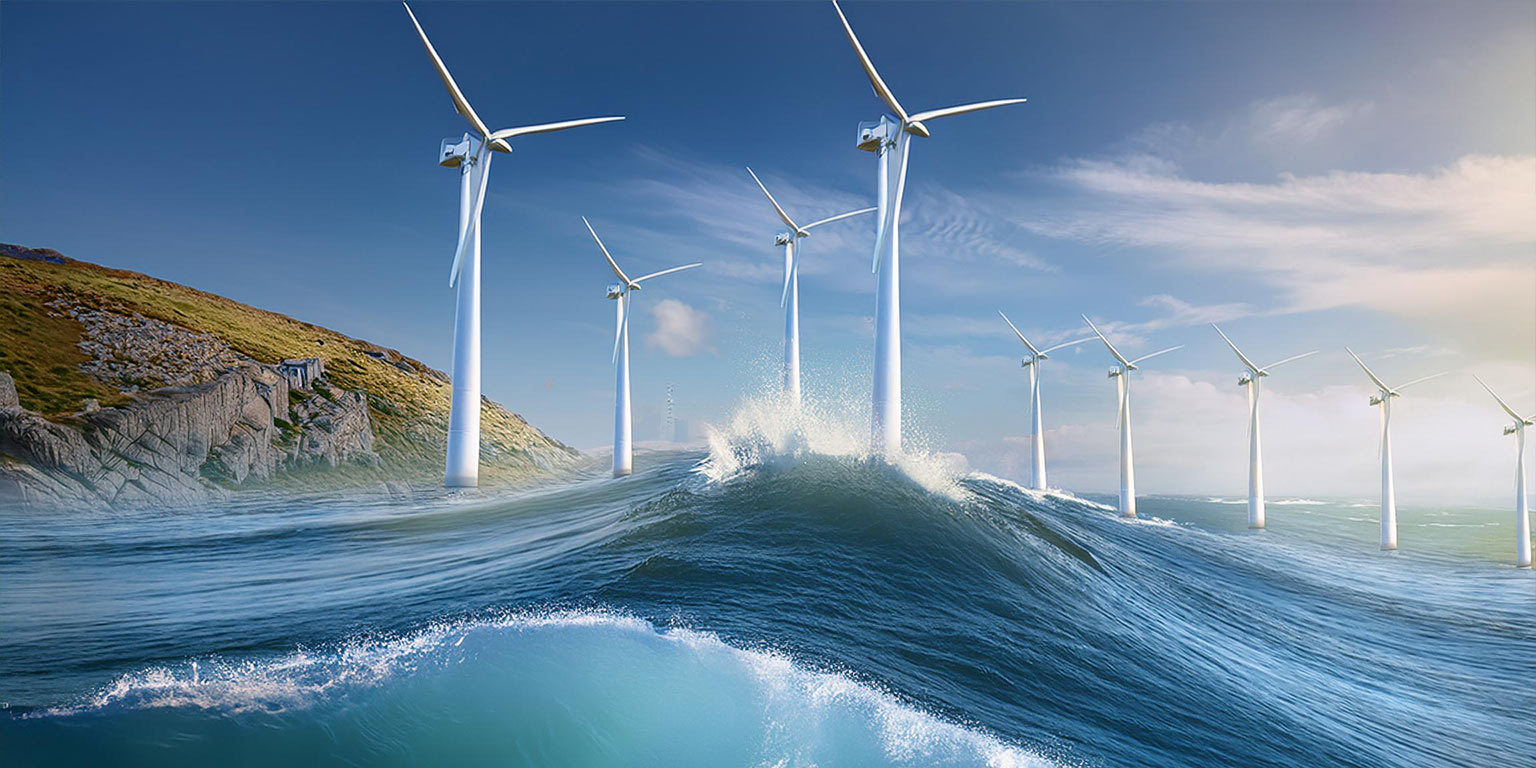
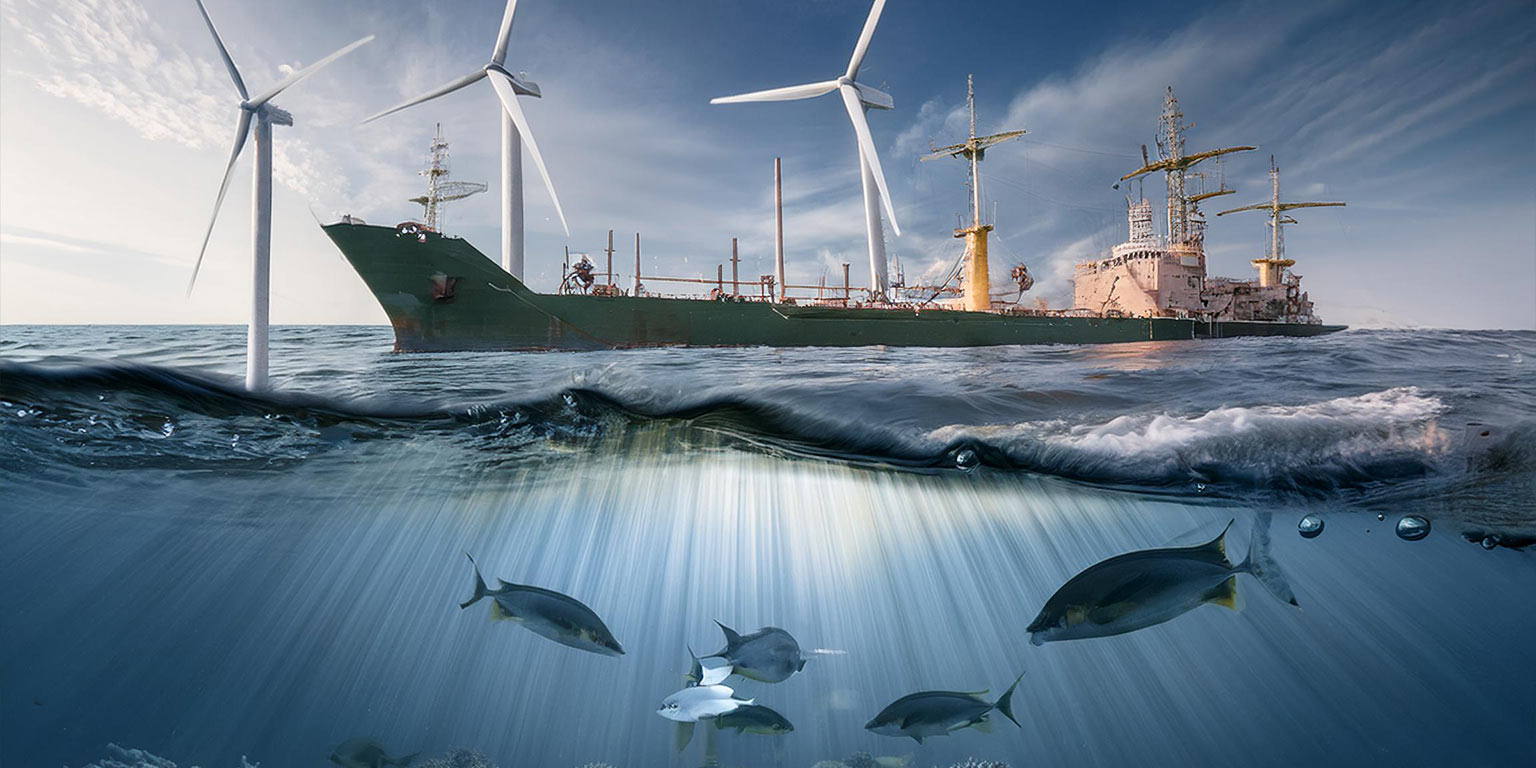
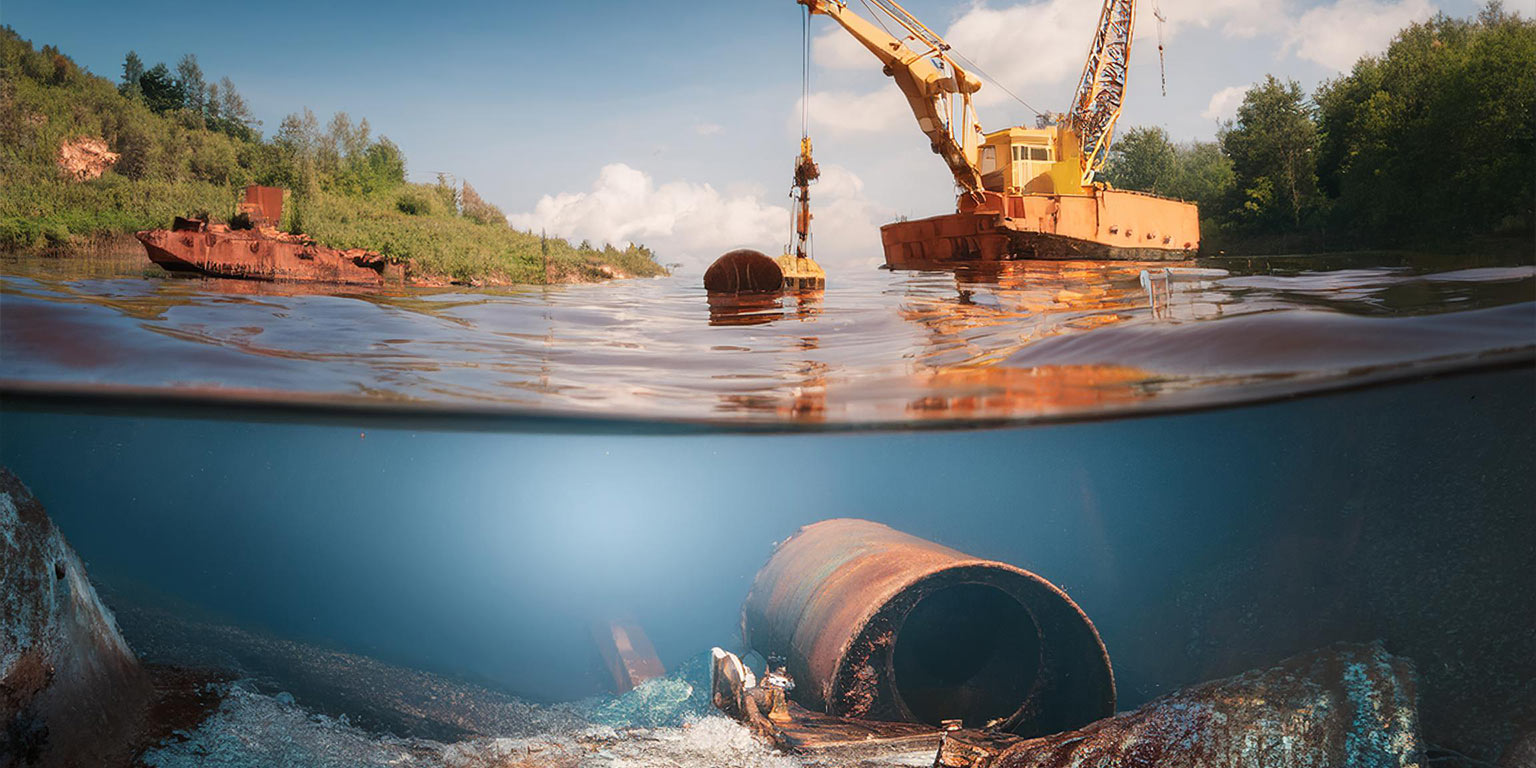
Potential of tidal and wave energy as sustainable energy sources. There is a huge potential in tidal and wave power, particularly in the provision of sustainable energy resources from marine renewable energy. More than 70 percent of Earth’s surface is covered by oceans, which carry massive amounts of kinetic energy
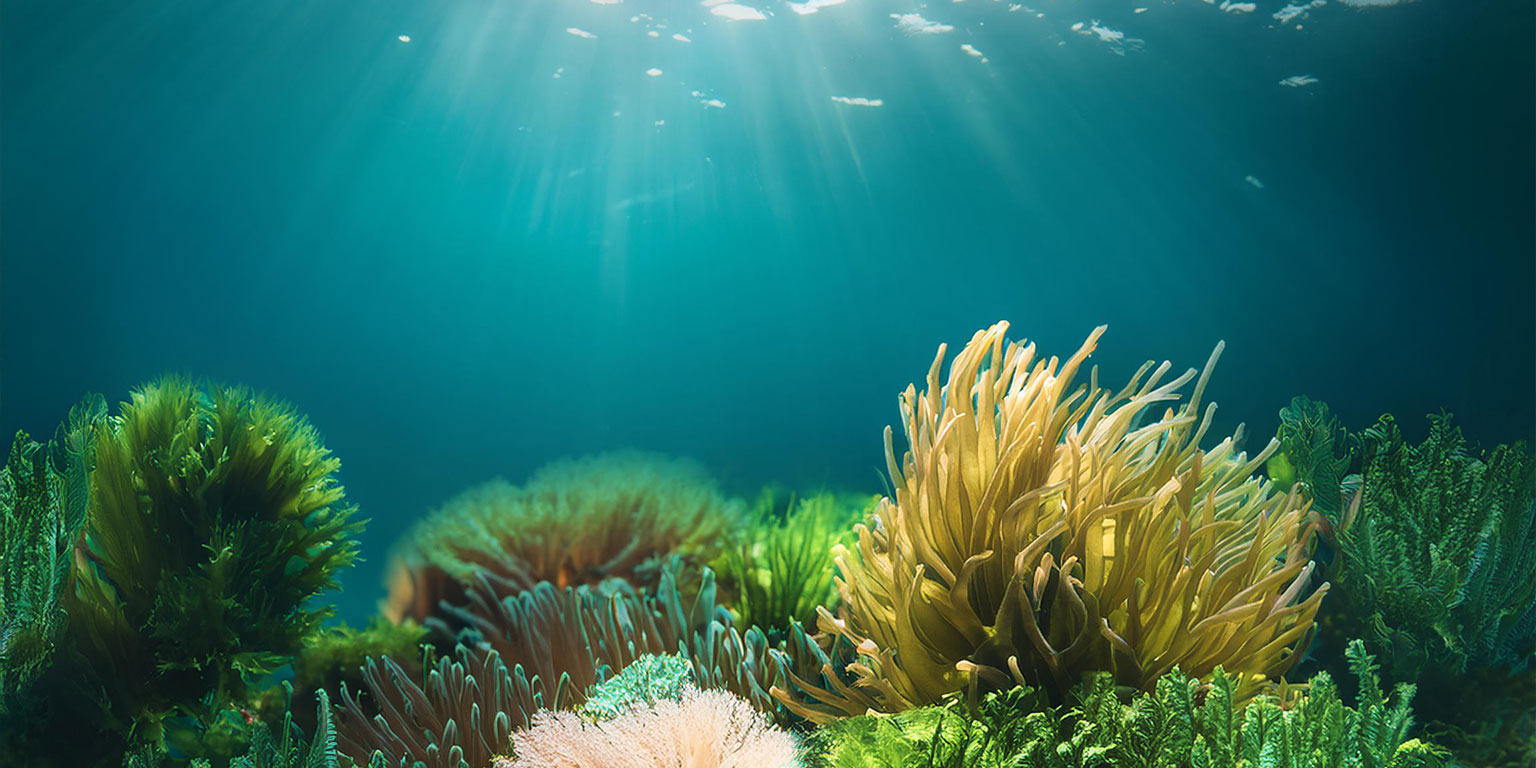
Types of marine algae, their ecological roles, and potential commercial uses. Marine algae are an integral plant species in the marine ecosystems. The algae are broadly classified into three categories; the green algae (Chlorophyta), the brown algae (Phaeophyceae), and the red algae (Rhodophyta) (Ahmed et al., 2024). Each of these
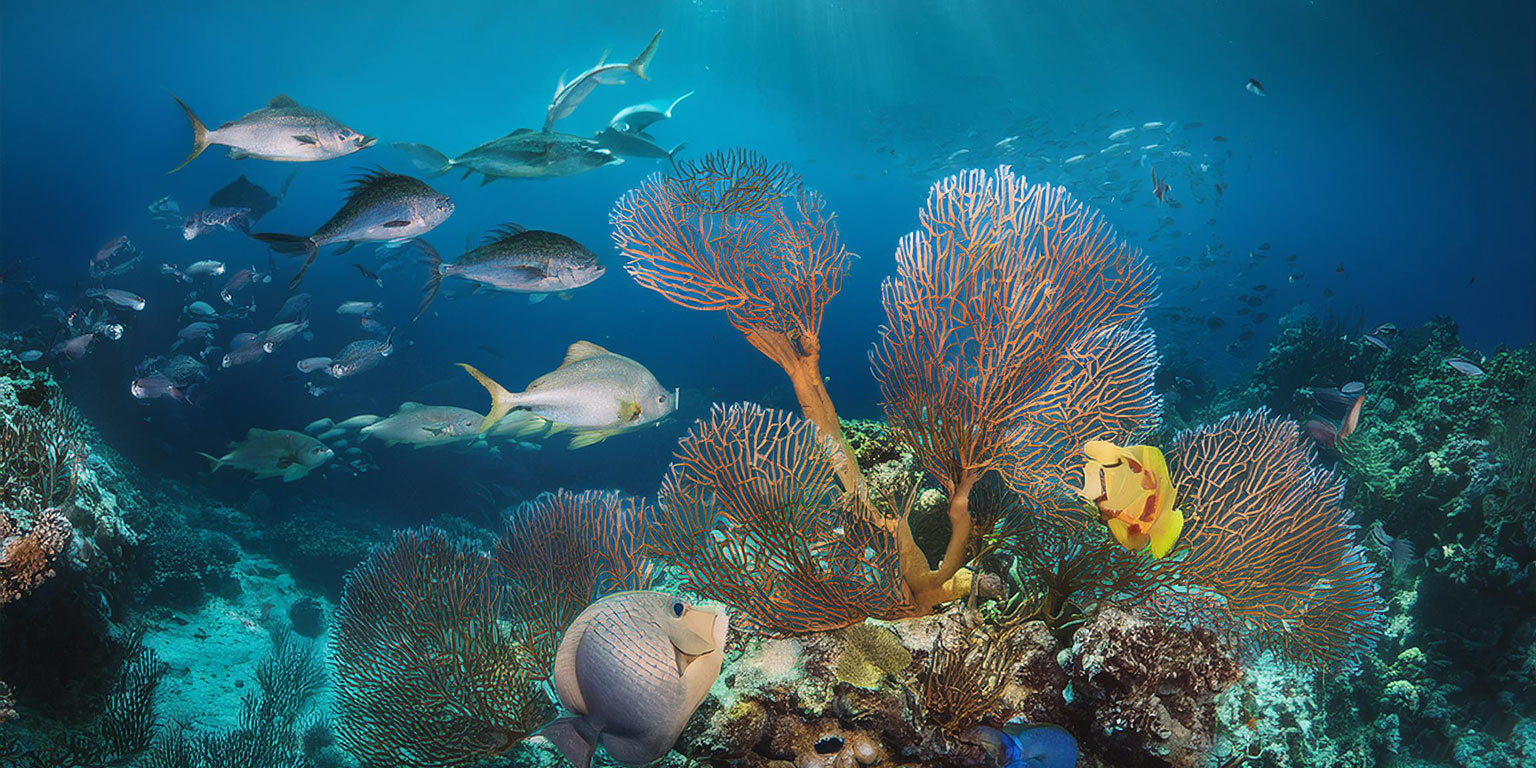
Marine ecosystems exist in different dynamics, with a wide range of different species interacting through complex food webs. A food web in marine ecosystems is an interconnected relation between different organisms, highlighting energy transfer from one level to another in the trophic. The food webs are relatively more complex, as
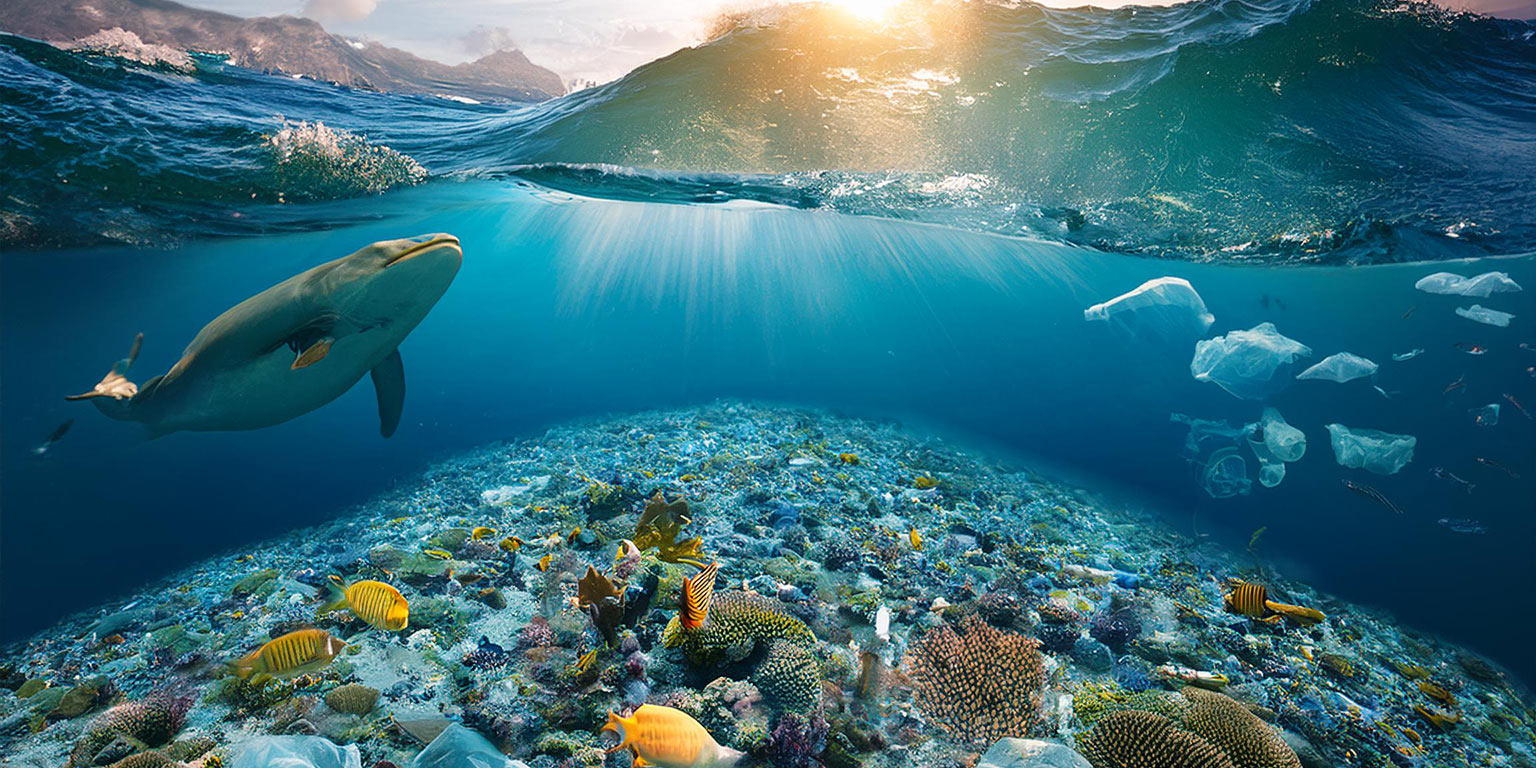
Overview of plastic pollution in oceans, its sources, and effects on marine organisms. Plastic pollution is one of the main environmental problems in the world’s oceans. Over 460 million tons of plastic are produced annually worldwide; a significant portion of these tons find their way into marine environments (IUCN, 2024).
Background: Effects of underwater noise pollution on marine animalsNoise pollution in oceans and other water bodies is created by different human activities,including oil exploration, commercial shipping, offshore wind turbines, and seismic surveys.These activities create excessive and unnatural sound under the waters, which affects marine life.In particular, the created noise usually
These heavy metals include lead (Pb), mercury (Hg), arsenic (As), cadmium (Cd), and chromium (Cr). Heavy metals are naturally occurring elements within the Earth’s crust. They enter water bodies through various human activities such as industrial discharges, mining operations, agricultural runoff, and inappropriate waste disposal (Balali-Mood et al., 2021). While